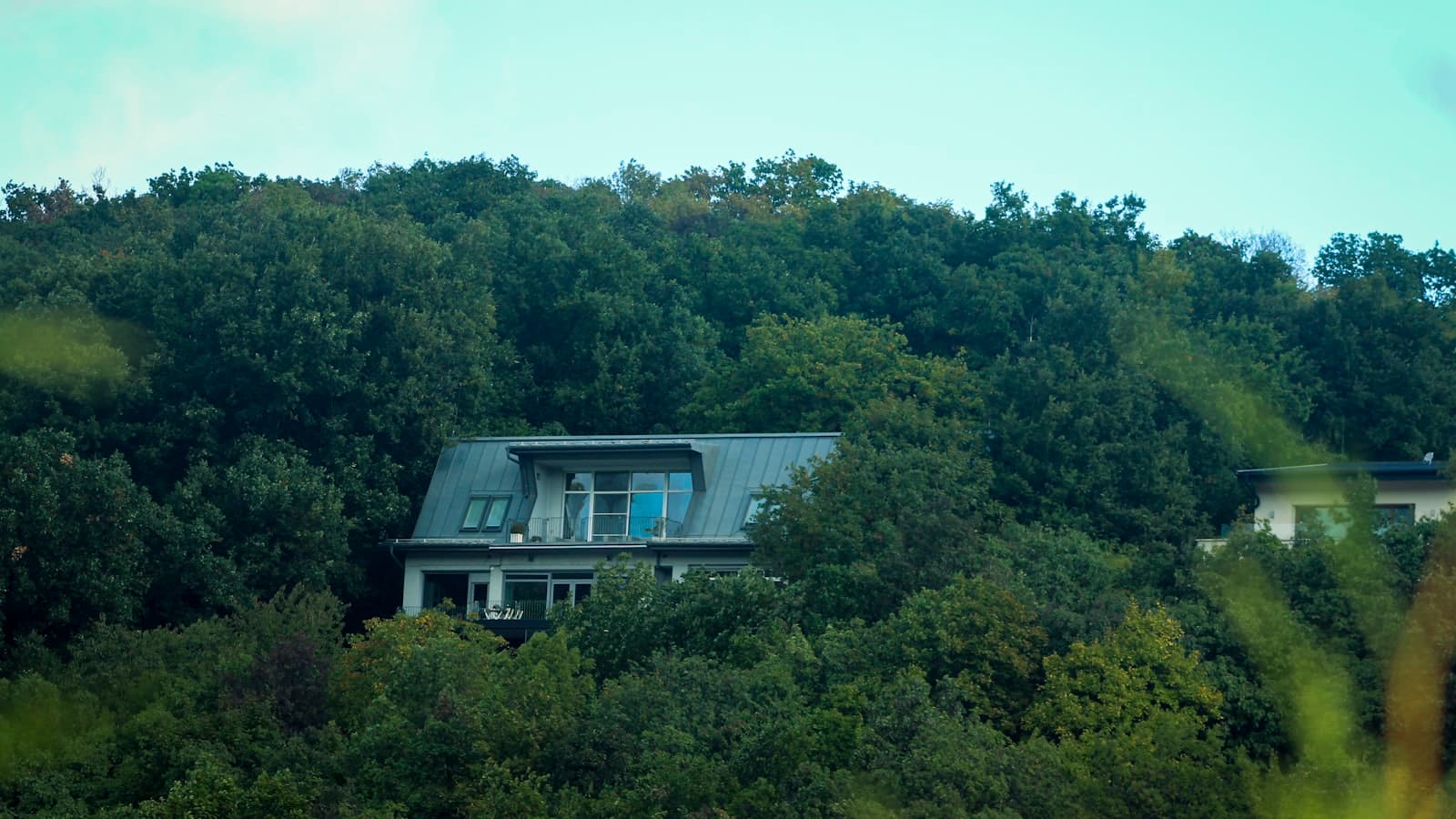
Karuizawa has been a beloved highland villa town for over a century, and buying a home or second home here is a real possibility for foreign residents — Japan lets foreigners own property outright. But the path has its own details: financing is the hard part, the costs go well beyond the sticker price, and Karuizawa's landscape rules and cold-climate building needs make local knowledge essential. This guide is a primer on how it works. If you are weighing buying against renting, see Renting a House in Karuizawa first.
This guide is general information, not legal, tax, or investment advice. Always confirm details with a licensed real-estate agent, judicial scrivener, and tax professional for your situation.
TL;DR
- Foreigners can own property in Japan freehold — no visa or residency required to own.
- Mortgages are the hard part: Japanese banks usually require permanent residency (永住権). Many Karuizawa buyers pay cash.
- Budget ~6–8% in extra costs on top of the price (fees and taxes).
- Karuizawa has strict landscape/building ordinances — check what you can build or renovate before you buy.
- Watch for leasehold land, winter-readiness, and water/sewer arrangements.
Can foreigners buy property in Japan?
Yes — and this surprises many newcomers. Japan places no restriction on property ownership based on nationality or residence status. A foreigner, even a non-resident living abroad, can buy land and buildings freehold (所有権) and own them outright, the same as a Japanese citizen. There is no special permit. The real constraint is financing, not the right to own.
Do I need a visa or residency?
To own, no. To borrow, usually yes (see below). Ownership and immigration status are separate in Japan: buying a property does not grant or improve a visa, and not having permanent residency does not stop you from owning.
How does the buying process work?
The typical steps:
- Find a property through a real-estate agent (不動産会社).
- Make an offer and agree on price and terms.
- Explanation of Important Matters (重要事項説明) — a licensed agent (宅地建物取引士) legally must explain the property's key facts before you sign.
- Sign the purchase agreement (売買契約) and pay a deposit (手付金), often around 10%.
- Settlement and registration — pay the balance, and a judicial scrivener (司法書士) registers the transfer of title (移転登記) at the Legal Affairs Bureau.
For overseas or non-resident buyers, signing and payment can usually be arranged with documents and a representative, but it adds steps.
What costs are there beyond the price?
Plan for roughly 6–8% on top of the purchase price, including:
- Brokerage fee (仲介手数料) — about 3% + ¥60,000 + tax for properties over ¥4M.
- Registration & license tax (登録免許税) and the judicial scrivener's fee.
- Stamp duty (印紙税) on the contract.
- Real estate acquisition tax (不動産取得税) — a one-time tax billed a few months after purchase.
Then, every year you own it, you pay fixed asset tax (固定資産税) and city planning tax (都市計画税).
Can foreigners get a mortgage?
This is the genuine hurdle. Most Japanese banks require:
- Permanent residency (永住権) or a Japanese spouse,
- a stable Japanese income and employment history, and
- a residence in Japan.
Non-permanent residents and non-residents often cannot get a standard Japanese mortgage. As a result, many Karuizawa purchases — especially villas and second homes — are cash or financed through overseas lenders. A few institutions lend to permanent residents on stricter terms; a bilingual advisor can help you find them.
What's special about buying in Karuizawa?
Karuizawa is not a generic market. Watch for:
- Landscape & building ordinances. Karuizawa enforces strict rules to protect its forested character — height limits, tree-preservation requirements, and restrictions on signage and commercial use in residential areas. These affect what you can build or renovate, so confirm before buying.
- Leasehold land (借地). Some villa properties sit on leased land rather than freehold — you own the house but lease the ground. Check the title carefully.
- Winter-readiness. The highland climate is cold and snowy. Check insulation, heating, and frozen-pipe protection, especially for older villas used only in summer.
- Water & sewer. Some areas use septic systems or well water rather than mains; confirm utilities and any management fees in serviced villa areas.
What about ongoing costs and use?
Beyond annual property taxes, a managed villa area may charge maintenance or management fees. Consider how you'll use it — full-time residence, seasonal home, or occasional villa — as this affects winter upkeep, insurance, and whether you keep utilities running year-round.
How ERISA helps
ERISA (有限会社えり紗) supports foreign buyers through the parts that are hardest from outside the system: understanding the Explanation of Important Matters and the contract, interpreting at meetings with agents and the judicial scrivener, checking Karuizawa's building and landscape rules for the property you want, and coordinating the local details — utilities, winter-readiness, and registration. We can also help you weigh buying versus renting for your situation.
Thinking about a home in Karuizawa? See the Karuizawa Guide for the bigger picture, or get in touch.